

Downsview Seventh-day Adventist Church Leads Anti-Drug March to Promote Hope and Community Unity
Posted: July 20th, 2026




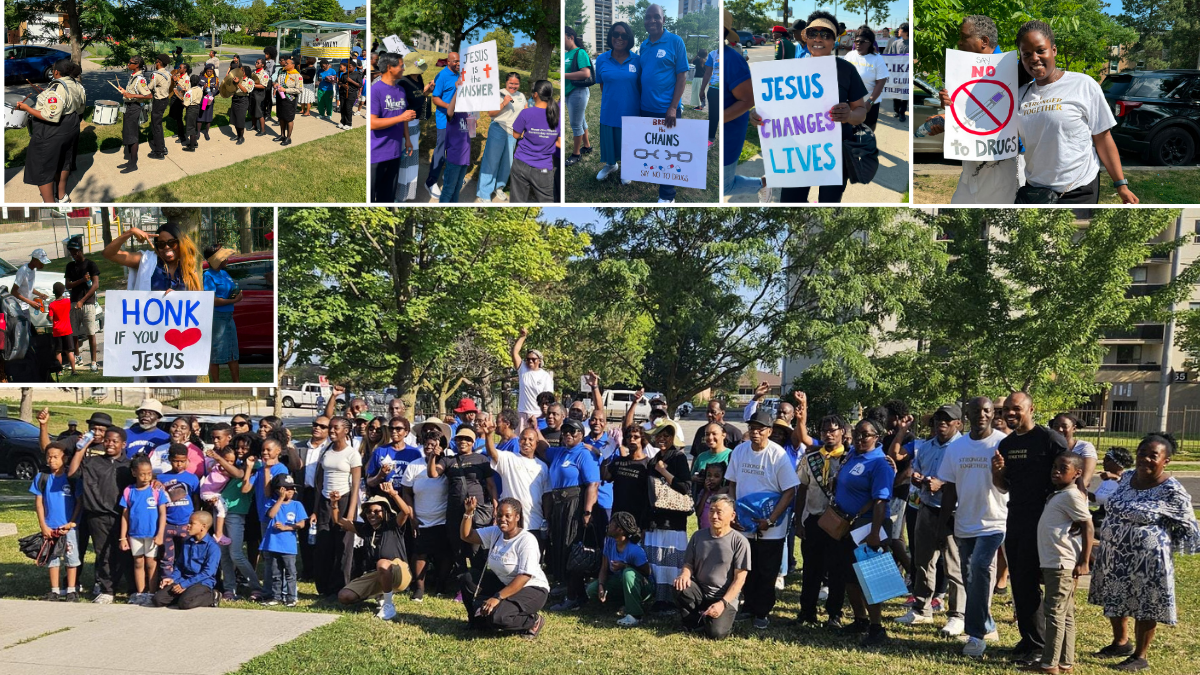
On Saturday, July 11, 2026, the streets surrounding the Downsview Seventh-Day Adventist Church echoed with a powerful message of hope, resilience, and community solidarity. In a unified stance against the pressing issues of violence and drug abuse, the church’s congregation, local youth, and community members gathered for an organised anti-drug march under the theme, "Stronger Together, Better Together." The event underscored the vital role of faith-based organisations in promoting public health, safety, and community well-being.
This outreach is a testament to the church’s foundational mission to love one’s neighbour and foster a nurturing environment where everyone can thrive. The atmosphere at the Oakdale Community Centre was electric, serving as a powerful reminder that when a community stands together, it can create lasting, positive change.
Participants carried banners and raised their voices to increase awareness of the devastating impacts of substance abuse and street violence. The initiative provided a safe and supportive space for young people and families to publicly commit to healthier lifestyle choices while signalling to the broader Toronto community that the Downsview Adventist congregation stands ready to support those navigating these difficult challenges.
The march served as the culminating public expression of the church’s ongoing "Control F5" Youth Evangelistic Series. Much like the computer keyboard command used to refresh a webpage, the month-long initiative was designed to help the community's youth to "hit refresh" on their lives by renewing their faith, extending forgiveness, and strengthening fellowship. By taking their message directly into the community, the church bridged the gap between spiritual worship and actionable civic engagement.
The July 11 march was more than a single day of activism; it was a testament to the Downsview Seventh-Day Adventist Church's holistic approach to ministry. By addressing both the spiritual and social needs of their neighbourhood, the church demonstrated that true community care requires stepping outside the sanctuary walls. As the "Control F5" series concluded, the impact of the march was expected to ripple throughout the community, leaving a legacy of empowerment, awareness, and renewed purpose for the youth and the wider church membership.