

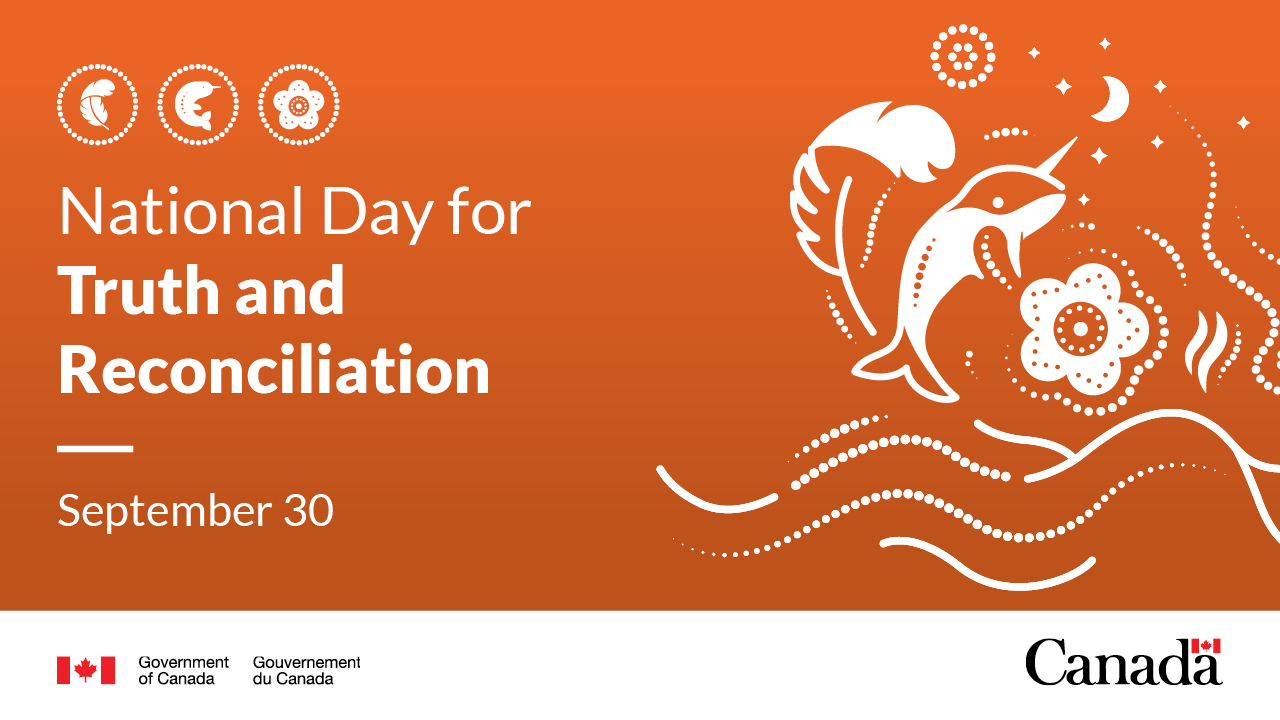
Canada Marks National Day for Truth and Reconciliation on September 30
Posted: September 29th, 2026

How would you feel if, after a difficult life experience, you were not allowed to share your journey? What if your story were ignored, denied, or rendered unimportant? Would it not be fulfilling to have your truth heard, acknowledged, and reconciled?
The Seventh-day Adventist Church is called to “do justly, love mercy and walk humbly with our God” (Micah 6:8). In doing so, we must acknowledge the injustices suffered by Indigenous peoples in the past. Truth and reconciliation are not simply social or political issues; they are also spiritual responsibilities. Scripture teaches that every person is created in the image of God and deserves dignity, respect, and regard.
Reconciliation begins with truth. We cannot heal relationships while ignoring the experiences of Indigenous peoples or minimising the harm caused by colonialism, racism, displacement, cultural suppression, and abuse within the residential school system. Children were often separated from their families and placed in institutions where they experienced neglect and, in some cases, physical, emotional, and sexual abuse. The effects of these experiences continue across generations.
A church must be willing to listen to these stories without becoming defensive. Listening is an act of respect. It communicates that Indigenous voices matter and that their experiences will not be dismissed or forgotten. Truth requires us to recognise both historical and present-day realities. Acknowledging these realities does not weaken the church’s witness; rather, it demonstrates moral courage and a commitment to live honestly before God and our neighbours.
“There is neither Jew nor Greek… for you are all one in Christ Jesus” (Galatians 3:28).
This verse does not erase cultural identity. Instead, it rejects the idea that one people or culture is superior to another. The body of Christ is enriched by the presence, stories, languages, gifts, and spiritual insights of diverse peoples.
Jesus always included those who were excluded. He honoured people whom society overlooked. He crossed social boundaries, listened to the marginalised, challenged injustice, and restored people to community. His example calls the church to do more than speak about reconciliation; it calls us to practice it.
The church must be willing to walk at the pace of relationship rather than the pace of convenience. Trust may take time, especially in communities that have experienced broken promises or in which religious institutions have caused harm. Genuine reconciliation requires patience, humility, listening, honesty, and a willingness to build relationships over time.
On this National Day for Truth and Reconciliation, let us pray for the Indigenous peoples that they may experience justice and mercy through our ministry as we walk humbly with our God.
Dr. Mansfield Edwards
Vice President, Evangelism & Outreach
Director, Indigenous Ministry & Seniors Ministry